
How to Choose the Right Australian Stock Whip: A Bushman’s Buying Guide
9th Sep 2026
Whether you are working cattle in the dusty yards of Outback Queensland, muster-bound across the Top End, or teaching the next generation the art of whip cracking, having a reliable stock whip is an essential part of Australian rural life. A quality stock whip isn’t just a tool—it is an extension of the stockman’s arm, built to endure harsh conditions, long days in the saddle, and unrelenting bush weather.
At FISH Outback Stores, we take pride in supplying working men and women, hobbyists, and young drovers with top-tier bush equipment. From classic Martin Outback Red Hide Whips to durable Nylon Stock Whips and essential replacement crackers, our curated range of work gear is built for performance and durability.
How to Choose the Right Australian Stock Whip
In this guide, we break down everything you need to know about selecting, using, and maintaining an authentic Australian stock whip.
1. What Makes the Australian Stock Whip Unique?
Unlike the American bullwhip—where the handle (stock) and thong are integrated into a single continuous piece—the traditional Australian Stock Whip features a distinct two-part construction:
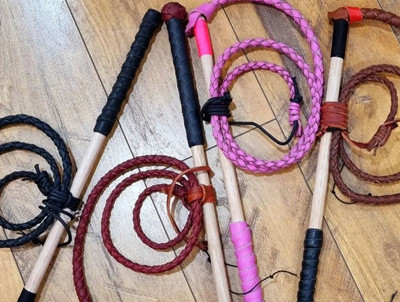
- The Stock (Handle): A rigid handle typically made of cane, fiberglass, or timber, which can be wrapped or plaited in leather.
- The Thong (Body): The long, tapered flexible section connected to the stock via a keeper loop.
- The Fall & Cracker: The replaceable tail ends that take the force of the cracking movement.
This loose keeper connection allows the stockman to swing the whip smoothly from horseback or foot without twisting the main thong. It provides greater leverage, rapid action in tight yards, and ease of repair when working in remote bush settings.
2. Choosing the Right Material: Red Hide vs. Chrome Hide vs. Nylon
Choosing between traditional leather and modern synthetic stock whips comes down to where you work and how much maintenance you prefer.
Traditional Red Hide Leather Whips
Red hide leather is legendary across rural Australia. Tanned with special oils and wax treatments, red hide produces a dense, heavy leather that holds up exceptionally well against thorns, dust, and heavy daily station use.
- Why Choose Red Hide: Offers incredible feedback, balanced weight distribution, and classic outback aesthetic.
- Featured Option: The Martin Outback Whips 6ft Red Hide Plaited Handle and 4ft x 4 Plait Red Hide stock whips available at FISH Outback Stores provide rugged performance that stands up to demanding stock work.
Chrome Hide Leather Whips
Chrome-tanned leather whips offer a softer, more pliable feel right out of the box. They require less break-in time compared to red hide, making them a great option for general use or lighter yard duties.
Synthetic Nylon Stock Whips
For young drovers, beginners, or working wet environments where leather might rot or stretch, Nylon Stock Whips are an outstanding choice.
- Why Choose Nylon: Completely impervious to rain and mud, light in hand, easy to clean, and highly cost-effective.
- Featured Option: The Martin Outback 2.5 ft Nylon Kids Stock Whip or 4ft Nylon Stock Whip (available in black or pink) are ideal starter whips that deliver a crisp, easy crack without the maintenance overhead of leather.
3. Selecting the Right Whip Length for Your Needs
Whip length is measured along the thong (excluding the stock handle, fall, and cracker). Matching the length to your height and primary use is crucial:
- 2.5 ft to 3 ft (Kids & Beginners): Short thongs are lightweight and easy for small arms to control safely without hitches or self-striking.
- 4 ft (Yard Work & Tight Spaces): The standard choice for close-quarters cattle yard work, horseback riding in thick scrub, or fast-action trick cracking.
- 5 ft to 6 ft (Open Paddock & Station Work): Offers maximum reach and a deeper, louder sonic report. Ideal for open country, horseback stock handling, and experienced whip crackers seeking distance.
4. The Anatomy of a Crack: Crackers & Falls
The sound of a stock whip isn't caused by striking an object—it is a mini sonic boom created when the tip breaks the speed of sound (approx. 1,234 km/h). The two most critical wear-and-tear components responsible for this performance are:
- The Fall: A single thick leather strip attached to the end of the tapered thong. It absorbs shock and holds the cracker.
- The Cracker (Popper): A small braided bundle of synthetic or cotton cord tied to the end of the fall.
Because crackers bear the force of every sonic boom, they wear out naturally over time. Carrying spare Nemeth Whips Crackers ensures your whip remains operational in the field without risking damage to the leather fall.
5. Maintenance Tips: Keeping Your Whip Bush-Ready
A well-cared-for leather stock whip can last decades. Follow these simple maintenance steps to preserve your investment:
- Dress the Leather Periodically: Treat red hide leather with a quality leather conditioner, dubbin, or saddle dressing to retain flexibility and protect against cracking in dry outback heat.
- Avoid Mud & Water on Leather: If your leather whip gets soaked, wipe away dirt and allow it to dry naturally in a shaded, well-ventilated area away from direct heat sources. Apply leather dressing once dry.
- Inspect the Fall & Cracker Regularly: Never crack a whip without a functional cracker attached! Cracking without a popper will fray and shorten the leather fall.
- Proper Storage: Store your whip flat or hung loosely by the keeper loop. Avoid coiling leather whips tightly for extended periods or storing them in sealed plastic containers.
6. Why Shop Whips & Bush Gear at FISH Outback Stores?
At FISH Outback Stores, we understand the practical demands of life on Australian stations and country properties. Our range of work gear and rural supplies is selected for quality, durability, and value:
- Authentic Brands: Featuring trusted names like Martin Outback Whips and Nemeth Whips.
- Australia-Wide Shipping: Direct delivery to regional, rural, and metropolitan addresses across QLD, NSW, NT, WA, SA, VIC, and TAS.
- Complete Work Gear Range: From whips and reins to safety equipment, gloves, and station accessories.
Frequently Asked Questions (FAQs)
What size stock whip should I buy for a child?
A 2.5 ft or 4 ft nylon stock whip is the best starting size for kids aged 5 to 12. They are lightweight, easy to manage, and durable enough to handle drop-and-drag play in the backyard.
What is the difference between a 4-plait and 8-plait whip?
Plait count refers to the number of leather strands braided together. A 4-plait whip is sturdier, thicker strand-for-strand, and ideal for rugged daily station work. An 8-plait whip features finer strands, resulting in a smoother taper, faster action, and greater flexibility.
How often should I replace the whip cracker?
Replace your cracker as soon as it becomes thin, frayed, or unraveled. Keeping spare Nemeth crackers in your saddlebags or gear box takes seconds to fit and protects your leather fall from wear.
Gear Up for the Outback Today
Whether you need a heavy-duty 6ft Red Hide Martin Outback Whip for paddock droving or a colorful nylon whip for backyard practice, explore our full collection of bush equipment today.