

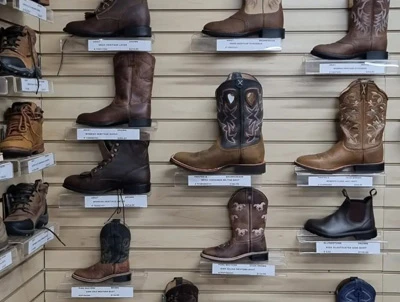
Tough & Timeless: The Ultimate Outback Guide to Western Boots
6th Oct 2026
Whether you work long days on a rural property, attend weekend country music festivals, or simply appreciate timeless heritage footwear, a reliable pair of Western boots is an essential wardrobe investment. Western boots combine traditional craftsmanship with modern comfort features designed to withstand demanding terrain while making a strong style statement.
At FISH Outback Stores, we curate top-grade Western boots and Outback workwear built specifically for durability, traction, and all-day wearability across Australian conditions. In this guide, we break down everything you need to know about Western footwear—from understanding key anatomy to picking the perfect pair for your daily routine.
What Makes an Authentic Western Boot?
Unlike standard dress or work boots, traditional Western boots feature precise anatomical design choices rooted in utility and equestrian heritage. Knowing how these components work together helps you select the best boot for your lifestyle:
- The Shaft: Ranging from 10 to 14 inches high, the shaft protects the lower leg from brush, harsh weather, and friction while riding.
- The Heel: Classic cowboy heels feature an angled underside (under-slung heel) designed to lock securely into saddle stirrups. Roper or walking heels are lower and flatter, providing better ergonomic support for walking on hard, flat surfaces.
- The Toe Box: Available in traditional pointed, rounded, or modern square toes. While pointed toes slide easily into stirrups, wide square toes offer maximum foot spread and natural toe splay for standing or walking long hours.
- Goodyear Welt Construction: Premium boots use a Goodyear leather welt—a double-stitched band attaching the upper to the sole. This allows the boots to be easily resoled, significantly extending their lifespan.
Comparing Western Boot Styles: Finding Your Fit
Different Western boot styles suit specific needs. Use the quick comparison table below to determine which style best aligns with your daily routine.
|
Boot Style |
Heel Profile |
Toe Shape |
Primary Use Case |
Key Advantage |
|
Classic Cowboy |
1.5” to 2” Angled |
Pointed or Snipped Toe |
Riding, Country Events, Casual Wear |
Traditional aesthetic & stirrup security |
|
Roper Boot |
1” Low / Flat Heel |
Round or Soft Square Toe |
Walking, Everyday Wear, light ranch work |
Exceptional walking comfort & ankle flexibility |
|
Western Work Boot |
1.25” Rubber Heel |
Wide Square Toe |
Construction, Property Maintenance, Heavy Duty |
Slip-resistant tread, steel/composite toe options |
|
Buckaroo |
2”+ Tall Heel |
Round or Narrow Toe |
Professional Horse Riding, Exhibition |
High 14"+ shaft for superior calf protection |
How to Choose the Right Pair at FISH Outback Stores
Selecting the right boot requires looking beyond appearance. Consider these four critical factors when browsing the range at FISH Outback Stores:
1. Match the Leather to Your Activity
- Full-Grain Cowhide: Highly durable, resistant to abrasions, and ideal for rugged daily use on the farm or station.
- Bison & Buffalo: Thicker and naturally textured, offering superior toughness with minimal stretch.
- Suede & Distressed Leather: Soft out of the box, perfect for casual outings, country events, and weekend wear.
2. Sizing and Fit Considerations
A well-fitted Western boot should fit snug across the instep (top of your foot) without feeling restrictive. Because most Western boots lack laces, the instep holds your foot securely in place. Expect a slight heel slip (about 1/4 to 1/2 inch) when the boots are new; this slip disappears as the leather outsole naturally breaks in and contours to your stride.
3. Sole Material: Leather vs. Rubber
- Leather Soles: Offer classic style, smooth pivot movements in stirrups, and natural breathability.
- Rubber Outsoles: Provide superior grip on wet, muddy, or slick surfaces, along with oil resistance and added shock absorption.
Essential Care & Maintenance for Leather Western Boots
Proper leather care extends the life of your Western boots by years. Follow these quick steps to keep your leather supple and protected:
- Clean Off Dirt: After heavy wear, use a soft horsehair brush or damp cloth to remove dried mud, dust, and debris.
- Condition Regularly: Apply a quality leather conditioner every 2–3 months to prevent cracking, especially in dry, hot Australian climates.
- Waterproof Protection: For boots exposed to wet ground or farm work, apply a protective wax or silicone spray suitable for full-grain leather.
- Dry Naturally: If your boots get soaked, let them air-dry at room temperature. Never place boots near direct heat sources like radiators, as high heat shrinks and dry-rots leather fibers.
Why Buy Western Boots from FISH Outback Stores?
At FISH Outback Stores, we take pride in offering footwear and outback apparel that stands up to demanding real-world conditions. When you shop with us, you get:
- Curated Quality: We stock trusted brands known for exceptional welt stitching, premium leathers, and ergonomic support.
- Australian Outback Ready: Our footwear selection is tailored to the needs of graziers, tradespeople, riders, and country style enthusiasts across Australia.
- Expert Advice: Unsure about sizing or sole types? Our team helps you find the exact fit for your feet and work demands.
Explore our full range of Western boots, work boots, and outback gear online today at FISH Outback Stores.
Frequently Asked Questions
How long does it take to break in Western boots?
Breaking in a pair of full-grain leather boots typically takes 1 to 2 weeks of regular wear. You can speed up the process by wearing thick wool socks and applying a leather conditioner to soften key flex points across the vamp.
Should I buy my exact shoe size for Western boots?
Generally, yes. However, if you plan to wear thick boot socks, consider going up half a size. Remember that boots with wide square toes offer a bit more room in the toe box than classic pointed-toe styles.
Are Western boots suitable for everyday walking?
Yes! Roper boots and Western work boots with flat heels and cushioned insoles are designed specifically for long days on your feet.